Cultivation and selection
Fruit, leaves, branches, blossoms, and orchard forms are selected for structure, season, surface, and the evidence of care carried by the material.
PROCESS
This page acts as the process bridge between the public works index and the artist statement. It explains how cultivated botanical material becomes an image, a surface, an object, and finally a series.
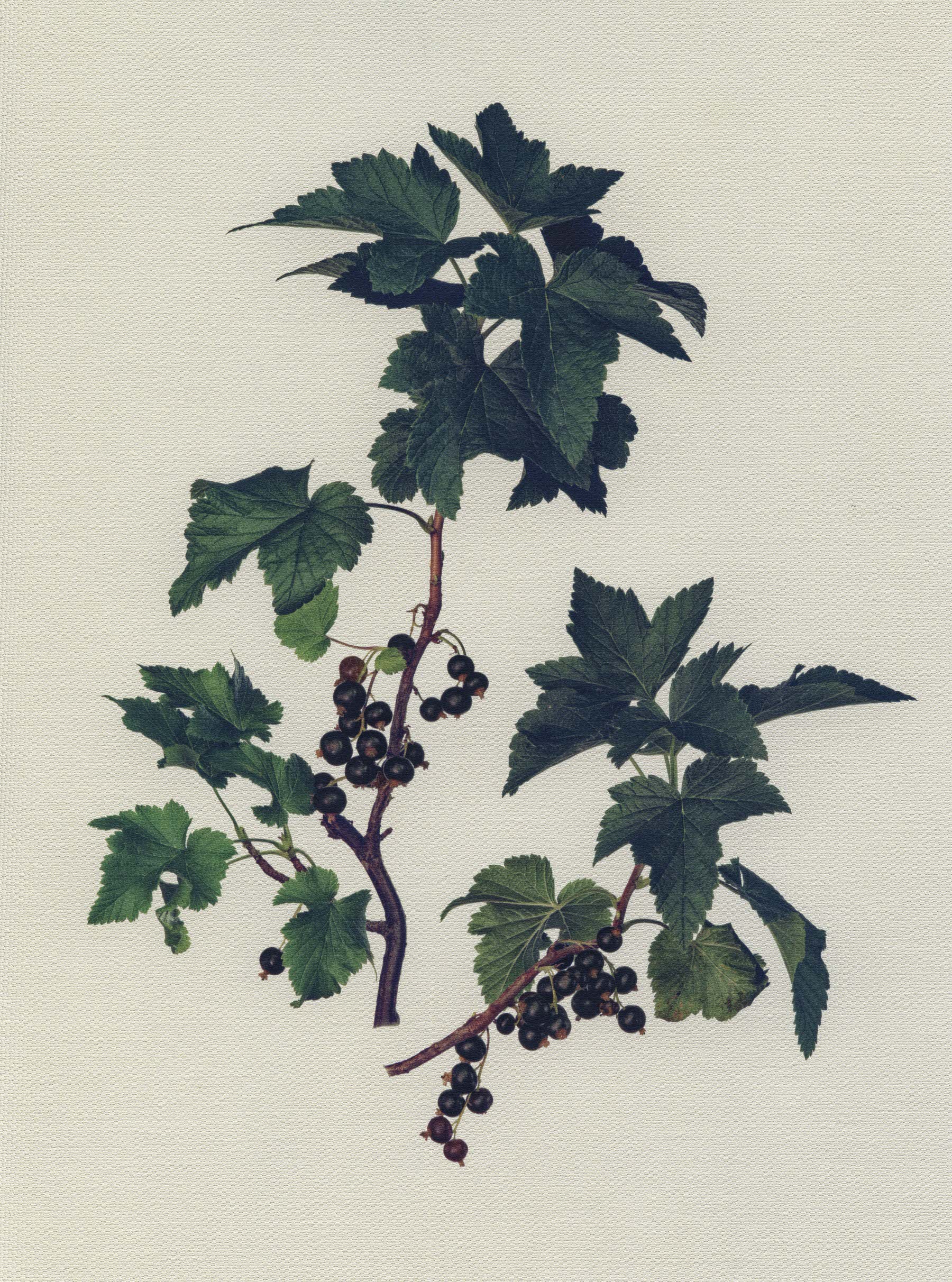 Canvas Botanical Studies
Fruit, leaves, branches, blossoms, and orchard forms are selected for structure, season, surface, and the evidence of care carried by the material.
The form is held long enough to read weight, direction, color, silhouette, bruising, ripening, and disappearance before it becomes an image.
Photography, print-like surfaces, canvas fields, black grounds, and vellum-like atmospheres each change the way the botanical form is perceived.
Works are grouped into series so viewers can compare repeated forms across ground, scale, texture, and material condition without losing orientation.
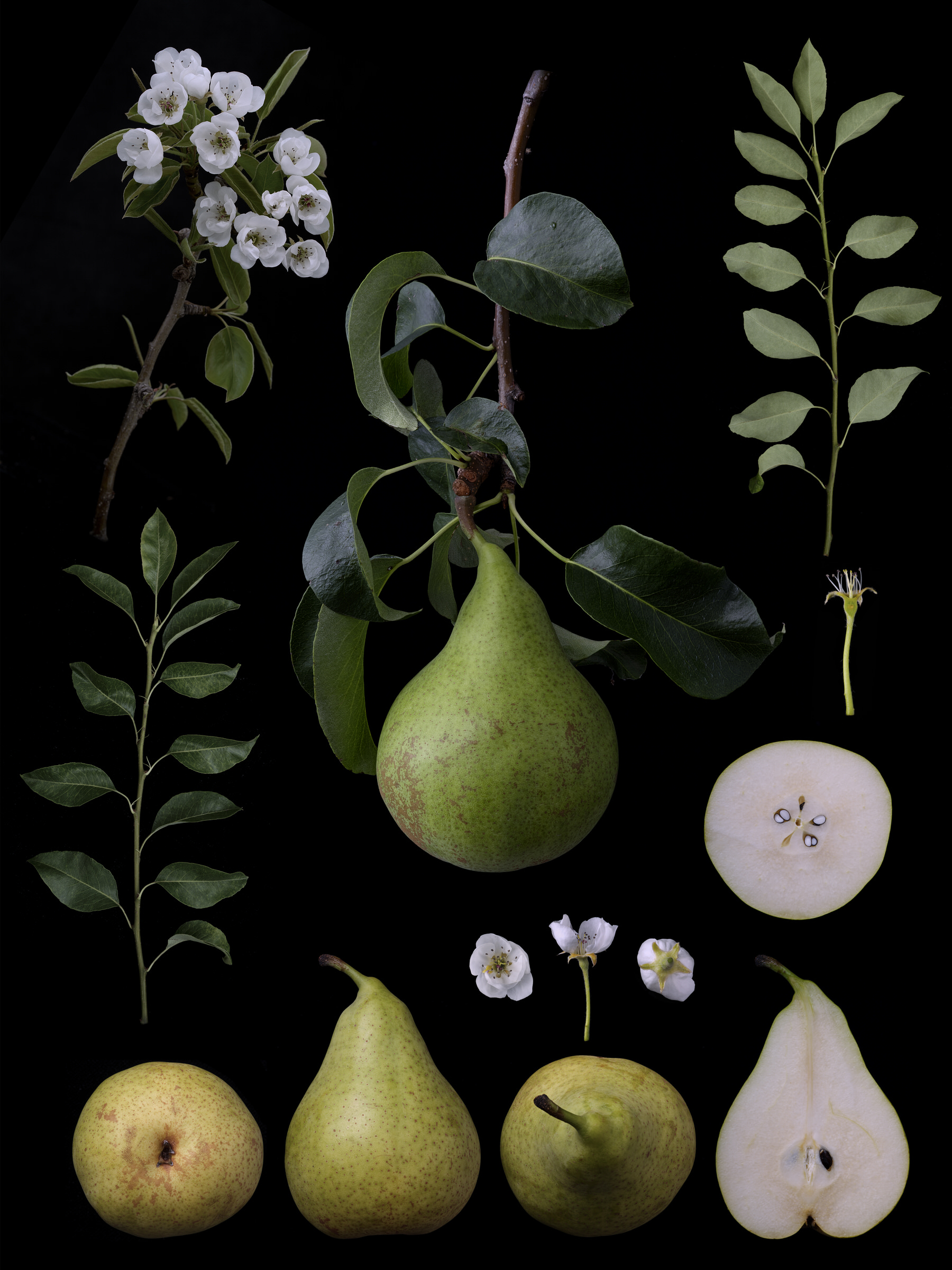
SURFACE
Black grounds isolate silhouette, contrast, and quiet presence.
Canvas studies connect fruit and botanical form to a woven pictorial field.
Vellum-like surfaces soften the image toward memory and suspended time.
Objects and photographs keep the practice close to handling, record, and material evidence.
NEXT STEP